U.S. COAST’S POTENTIAL CALAMITY
Charleston and other cities along the U.S. Southeast and Gulf Coasts are experiencing some of the world’s highest rates of[…]
Read moreClimate Crisis Blog
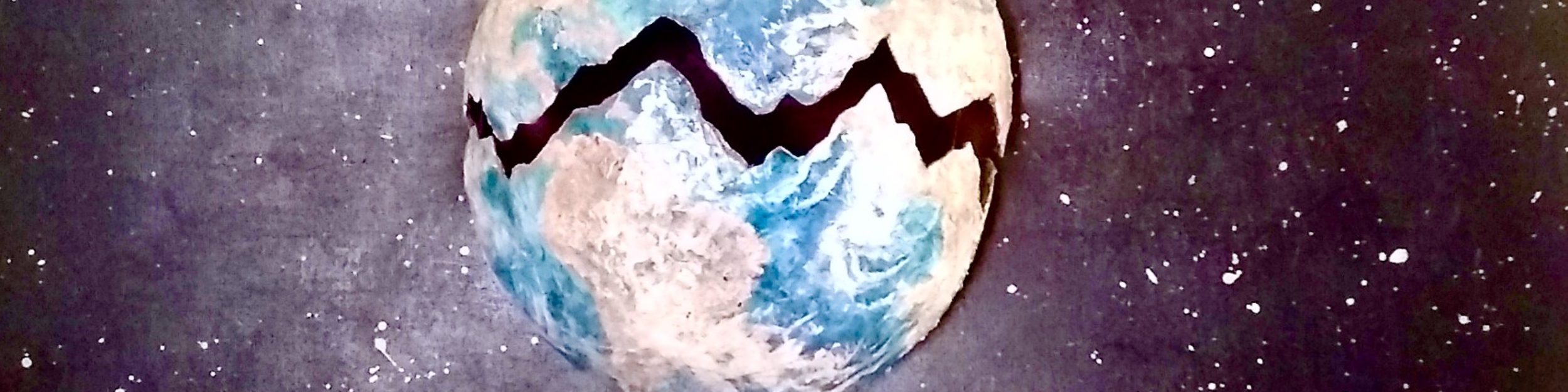

Charleston and other cities along the U.S. Southeast and Gulf Coasts are experiencing some of the world’s highest rates of[…]
Read more
In upland Fairbanks, Alaska landscapes have been releasing some of the highest methane emissions yet documented among northern terrestrial ecosystems.[…]
Read more
Seeds, twigs, and insect parts found under two miles of ice confirm Greenland’s ice sheet melted in the recent past,[…]
Read more
99% of all tropical glaciers occur in the Andes, where rising global temperatures have a stronger effect on glacial size[…]
Read more
Massachusetts researchers plan to dump 6,600 gallons of sodium hydroxide into ocean waters south of Martha’s Vineyard in August. Next[…]
Read more
As part of the Atlantic Meridional Overturning Circulation (AMOC), the Gulf Stream, which is wind-powered, could weaken from climate change.[…]
Read more
Forest carbon storage has declined across much of the Western U.S., likely due to drought, fire and climate change. Many[…]
Read more
Big Oil is failing to fulfill Paris Agreement climate targets. Their increase in fossil fuel production is inflaming global military[…]
Read more
Antarctic ice shelves hold twice as much meltwater as previously thought. Slush–water-soaked snow–makes up over half of all meltwater on[…]
Read more
The carbon stored globally by plants is shorter-lived and more vulnerable to climate change than previously thought. Existing climate models[…]
Read more